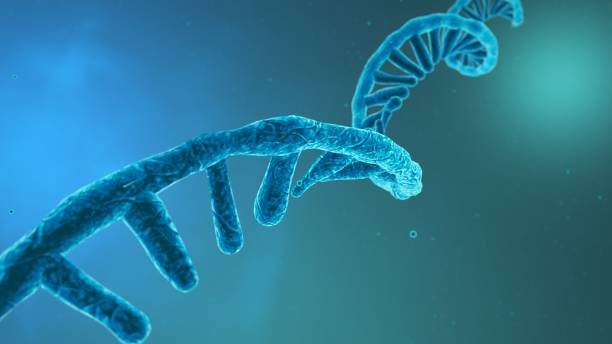
The nucleic acids were discovered in 1868. After about 20 years, nucleic acids were classified into two: deoxyribonucleic acid(DNA) and ribonucleic acid(RNA). And only in 1939, the function of RNA in protein synthesis was uncovered.
RNA is essential for a lot of biological processes such as protein-coding and regulation of gene expression. In cells, RNA acts as a link between the nucleus and the protein synthesis machinery, where other RNAs play a role in this process by regulating transcription and translation ensuring cellular well-being and controlling other process such as embryonic development and immunity. They also act as the code of the genetic information of a variety of viruses.
RNA is made up of a sequence of adenosine, cytosine, guanosine, and uracil connected with a ribose sugar ring and a phosphodiester bond. RNAs usually are single-stranded but some are double-stranded. They are usually structured nucleic acids with a lot of stem loops, bulges, and hairpins.
RNA’s importance extends beyond protein synthesis. It also plays significant roles in various biological processes, including gene regulation, embryonic development, and immune responses. Recent research has uncovered the potential of RNA-based therapeutics, such as mRNA vaccines and RNA interference (RNAi), in treating diseases and combating viruses.
In terms of function, we can divide them into two major categories:
– Coding RNAs: these are the messenger RNAs(mRNA) which are transcribed mainly by RNA polymerase 2, and they transfer the genetic information from the genomic DNA in the nucleus to the protein synthesis machinery in the cytoplasm. They have variable lengths but generally, they are the longest reaching up to 1k bases.
– Non-coding RNAs: these are transcribed by the three RNA polymerases in the cell and have multiple functions in and outside the nucleus. Some examples of the non-coding RNAs:
- Ribosomal RNAs(rRNA): the main player in the translation machinery
- microRNAs: the main function is in translational repression
- transfer RNA(tRNA): decodes the mRNAs in the ribosomes into amino acids
- small nuclear RNAs(snRNA): function in the splicing of the mRNAslong non-coding RNAs(lncRNAs): have several functions such as helping in the formation of condensates and transcription regulation
 RNA Stuff